
Provides strong reinforcement for weakened tissues, ensuring reliable hernia repair with durable surgical support.
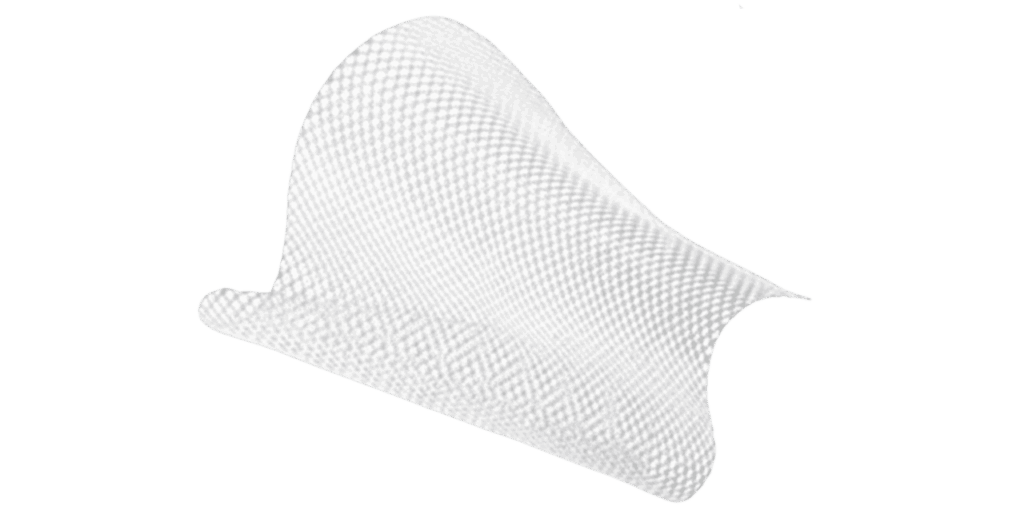
Hernia meshes provide essential reinforcement to weakened or damaged abdominal tissues. Their high tensile strength supports the surgical repair site, helping prevent recurrence of the hernia. The mesh distributes tension evenly, offering long-lasting durability during the healing process and allowing patients to regain stability faster.
Modern hernia meshes are engineered to adapt naturally to body movement. Their lightweight, flexible structure ensures comfort while reducing patient discomfort after surgery. The mesh conforms smoothly to tissue contours, enabling surgeons to achieve better placement and improving overall healing outcomes.
Designed with biocompatible materials, hernia meshes reduce the risk of complications and inflammatory reactions. They support tissue integration, promoting natural healing and minimizing postoperative issues. With proven clinical performance, they remain a safe and effective solution for various hernia repair procedures.
Our high-quality hernia meshes deliver superior support, enhanced durability, and gentle tissue compatibility, helping surgeons achieve successful repairs while promoting safe healing and reducing the likelihood of hernia recurrence.
Hernia meshes provide strong reinforcement to weakened tissues, ensuring reliable surgical repair, improved healing, and long-term stability for various hernia conditions.
Polypropylene mesh is a synthetic surgical mesh used for hernia and other soft tissue repairs. It works as a scaffold. Surgeons stitch torn tissue to the mesh to close a hernia. This leaves less tension on the damaged tissue. Polypropylene mesh is the most widely-used type of mesh for hernia repair. Polypropylene mesh comes in either woven or non-woven sheets. And polypropylene mesh can be cut or shaped for specific types of hernia repairs.